
In today’s fast-paced world, highly processed foods have become a staple in many diets. They’re convenient, tasty, and often marketed as healthier options. But beneath the appealing packaging and flavours lies a troubling truth: these foods are engineered to trick our brains into wanting more, leading to a rise in chronic diseases like type 2 diabetes, cardiac conditions, and obesity. In this article, we’ll explore how processed foods manipulate our brain chemistry and why turning to whole foods can be a game-changer for our health.
The Science Behind Processed Foods
Highly processed foods are typically loaded with added sugars, unhealthy fats, salt, and artificial additives. These ingredients are carefully chosen to enhance flavour, texture, and shelf life. However, they also play a crucial role in how these foods affect our brains.
When we consume foods high in sugar and fat, our brains release dopamine, a neurotransmitter associated with pleasure and reward. This dopamine rush creates a feeling of euphoria, similar to the effects of certain drugs. As a result, our brains crave more of these foods to replicate that pleasurable experience.
Moreover, processed foods often have a high glycaemic index, meaning they cause rapid spikes and crashes in blood sugar levels. These fluctuations can lead to increased hunger and cravings, making it difficult to control portion sizes and resist snacking between meals.
The Impact on Brain Chemistry
The design of processed foods goes beyond just taste; it’s about creating a cycle of desire and consumption. Food scientists employ a concept known as the “bliss point”—the perfect combination of sugar, fat, and salt that maximizes pleasure. This bliss point triggers intense cravings and encourages overeating.
Additionally, processed foods often lack fibre, which is essential for regulating hunger. Fibre slows down digestion and helps us feel full longer. Without it, we quickly become hungry again, leading to more frequent eating and an increased intake of empty calories.
Processed Foods and Chronic Diseases
The overconsumption of highly processed foods has dire consequences for our health. Here’s how it contributes to the rise in chronic diseases:
Type 2 Diabetes: Consistently high blood sugar levels from frequent consumption of sugary and high-carb processed foods can lead to insulin resistance. Over time, this can develop into type 2 diabetes. The condition is characterized by the body’s inability to properly use insulin, resulting in high blood sugar levels and various complications, including nerve damage, kidney disease, and vision problems.
Cardiac Conditions: Processed foods are often high in trans fats and sodium. Trans fats can quickly raise our triglyceride levels above the healthy range, promoting the build-up of plaque in arteries, which can lead to heart attacks and strokes. Excess sodium raises blood pressure, putting additional strain on the cardiovascular system and increasing the risk of heart disease.
Obesity: The addictive nature of processed foods, combined with their high calorie content and low nutritional value, makes them a significant contributor to obesity. Obesity is a risk factor for numerous health issues, including diabetes, heart disease, stroke, and certain cancers.
The Whole Foods Solution
To combat the negative effects of processed foods, turning to whole foods is a highly effective strategy. Whole foods are minimally processed and free from artificial additives, providing essential nutrients that our bodies need to function optimally. Here’s why whole foods are the better choice:
Nutrient-Rich: Whole foods, such as fruits, vegetables, whole grains, lean proteins, and healthy fats, are packed with vitamins, minerals, fibre, and antioxidants. These nutrients support overall health, boost the immune system, and reduce the risk of chronic diseases.
Natural Satiety: The fibre in whole foods helps regulate hunger and promotes a feeling of fullness. This natural satiety helps control portion sizes and reduces the likelihood of overeating.
Stable Blood Sugar Levels: Whole foods typically have a lower glycaemic index than processed foods, leading to more stable blood sugar levels. This stability can prevent insulin resistance and reduce the risk of developing type 2 diabetes.
Heart Health: Whole foods, particularly those rich in omega-3 fatty acids (like fish and flaxseeds) and antioxidants (like berries and leafy greens), support heart health by reducing inflammation, lowering cholesterol levels, and improving blood pressure.
Making the Switch to Whole Foods
Transitioning from a diet high in processed foods to one centred on whole foods doesn’t have to be daunting. Here are some practical tips to get started:
Gradual Changes: Start by gradually replacing processed snacks with whole food alternatives. Swap chips for nuts, cookies for fresh fruit, and sugary drinks for water or herbal teas.
Read Labels: When shopping, take the time to read food labels. Avoid products with long lists of ingredients, especially those with added sugars, unhealthy fats, and artificial additives. As a general rule, if you don’t know what the listed ingredient is, it’s most likely highly processed or artificially manufactured. Put it back on the shelf and find a better alternative.
Cook at Home: Preparing meals at home allows you to control the ingredients and avoid hidden sugars and fats found in restaurant and pre-packaged foods. Experiment with whole food recipes that are both delicious and nutritious.
Plan Ahead: Plan your meals and snacks to ensure you have whole food options readily available. This can help you resist the temptation of reaching for processed foods when you’re hungry and in a hurry.
Enjoy the Process: Embrace the journey towards healthier eating. Explore new foods, try different recipes, and enjoy the improved energy and well-being that come with a whole foods diet.
Conclusion
Highly processed foods may be convenient and tasty, but their impact on our brain chemistry and overall health is profoundly negative. By tricking our brains into craving more, these foods contribute to the rise of chronic diseases like type 2 diabetes, cardiac conditions, and obesity. The good news is that by shifting our focus to whole foods, we can break free from this cycle and embrace a healthier, more fulfilling lifestyle. Whole foods nourish our bodies, support long-term health, and offer a path to a life free from the burdens of chronic disease. So, let’s make the switch today and invest in a brighter, healthier tomorrow. Your body will thank you.
Share your favourite whole food recipe below
Berry Banana Chia Bowl
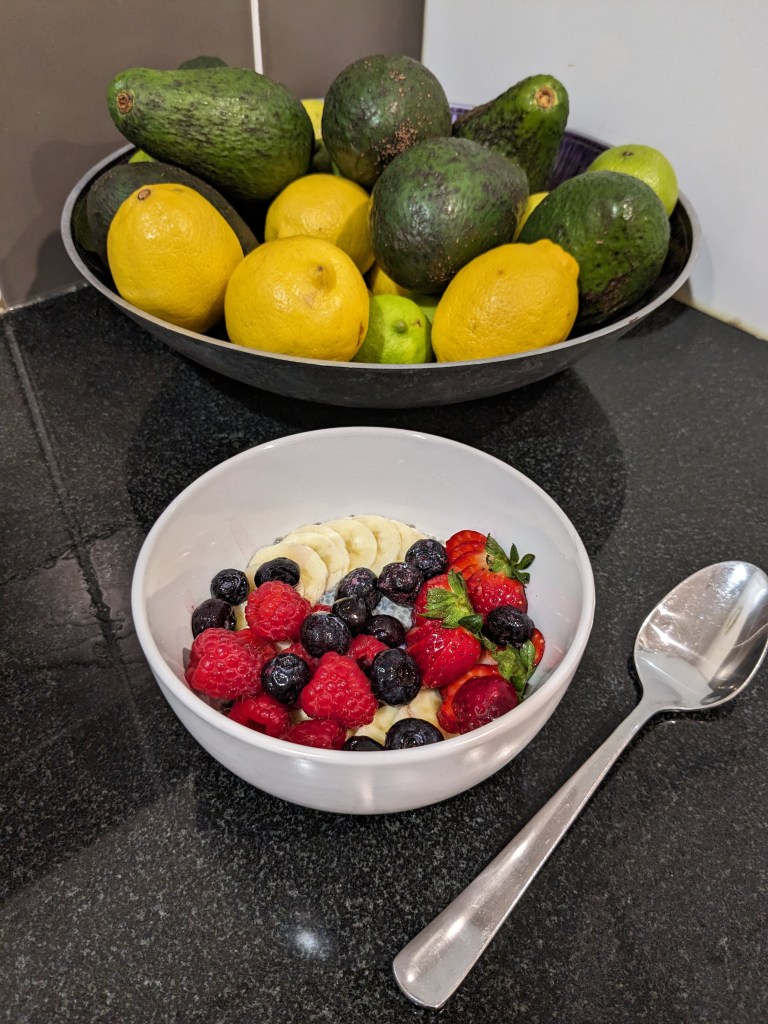
Ingredients:
1 ripe banana
1 cup mixed berries (strawberries, blueberries, raspberries)
3 tablespoons chia seeds
1 cup unsweetened almond milk (or any plant-based milk)
1 tablespoon maple syrup
1 teaspoon vanilla extract
Instructions:
Prepare the Chia Pudding Base:
In a medium-sized bowl, combine the chia seeds, almond milk, maple syrup, and vanilla extract. Stir well to ensure the chia seeds are evenly distributed and not clumping together.
Let it Set:
Cover the bowl and refrigerate for at least 2 hours, or overnight if possible. The chia seeds will absorb the liquid and expand, creating a pudding-like consistency.
Prepare the Fruit:
Rinse the mixed berries and slice any larger berries like strawberries into bite-sized pieces.
Peel and slice the banana.
Assemble the Pudding:
Once the chia pudding has set and thickened, give it a good stir to break up any clumps.
Spoon the chia pudding into serving bowls.
Add the Fruit:
Top each bowl of chia pudding with the sliced banana and mixed berries.
Serve and Enjoy:
Serve immediately for a refreshing and nourishing breakfast.
Nutritional Benefits:
Chia Seeds: Packed with omega-3 fatty acids, fibre, and protein, chia seeds help keep you full and support digestive health.
Banana: Provides natural sweetness, along with potassium, vitamin B6, and vitamin C.
Mixed Berries: Rich in antioxidants, fibre, and vitamins, berries add vibrant colour and a burst of flavour.
Almond Milk: A low-calorie, dairy-free milk alternative that provides a creamy base for the pudding.
Maple Syrup: A natural sweetener that adds a touch of sweetness without refined sugars.
Vanilla Extract: Enhances the flavour with a pleasant aroma.
This Berry Banana Chia Pudding is easy to prepare, delicious, and packed with nutrients to start your day right.
Get creative with this recipe, try adding different variants, such as crushed walnuts or ginger to add additional crunch and spice.
Enjoy!
 Salutaris
Leave a comment